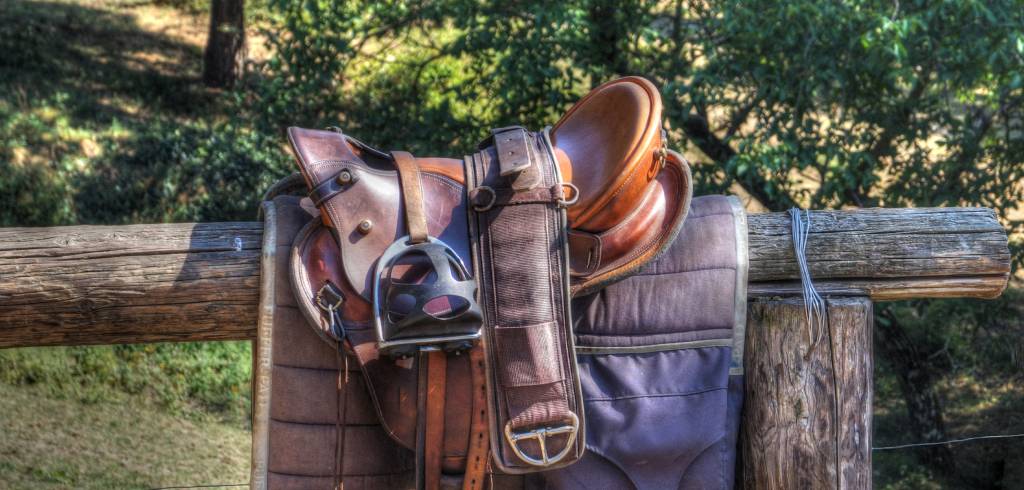
Choosing the right saddle is essential for your comfort, balance and your horse's wellbeing. A saddle that is too small can restrict your movement, while one that does not fit your horse correctly can cause pressure points, soreness and uneven weight distribution.
Whether you are buying your first saddle or looking for a replacement, understanding saddle sizes will help you narrow down your options and make a more informed purchase.
Understanding Saddle Sizes
Saddle sizes are usually measured in inches and refer to the seat size, which determines how much room the saddle provides for the rider. However, the seat size is only one part of the equation. The saddle must also fit the horse's back and withers correctly.
Most adult saddles fall within the following seat-size ranges:
| Saddle size | Typical rider |
|---|---|
| 15 to 15.5 inches | Children and smaller riders |
| 16 inches | Small adult riders |
| 16.5 inches | Small to average adult riders |
| 17 inches | Average adult riders |
| 17.5 inches | Larger adult riders |
| 18 inches | Larger riders who need additional room |
These are general guidelines rather than strict rules. The correct size depends on your body shape, riding discipline, saddle design and personal preference. A 17-inch saddle from one manufacturer may fit differently from a 17-inch saddle from another.
How to Measure Your Saddle Size
If you already own a saddle that fits you well, measuring it can be a useful starting point.
On most English saddles, the seat is measured from the nail or button at the front of the saddle, just behind the pommel, to the centre of the cantle at the back. The measurement is taken in a straight line and expressed in inches.
If you are buying a saddle for the first time, it is best to try a few sizes. You should be able to sit comfortably without feeling cramped or sliding around in the seat.
When seated in the saddle, you should generally have a little space between your body and the pommel and cantle. Too little space can make the saddle feel restrictive, while too much can leave you feeling unsupported.
Choosing the Right Saddle Size for Your Horse
Rider fit is only half the story. The saddle must also fit the horse correctly, and the right seat size does not guarantee a suitable fit.
When assessing a saddle for your horse, consider the following:
- Tree width: The saddle must accommodate the horse's shoulders and withers without pinching or sitting excessively wide.
- Wither clearance: There should be appropriate clearance above the withers, both with the saddle unloaded and when a rider is mounted.
- Saddle length: The saddle should not extend too far back over the horse's lumbar region.
- Panel contact: The panels should distribute the rider's weight evenly, without obvious pressure points or gaps.
- Balance: The saddle should sit level rather than tipping noticeably forwards or backwards.
Horses have different back shapes, shoulder angles and wither heights. A saddle that fits one horse well may be unsuitable for another, even if they are similar in size.
A qualified saddle fitter can help assess the fit, particularly if your horse shows signs of discomfort, changes shape with training or has an unusual back conformation.
Do Different Riding Disciplines Use Different Saddle Sizes?
Yes. The type of saddle you ride in can affect the seat size you need.
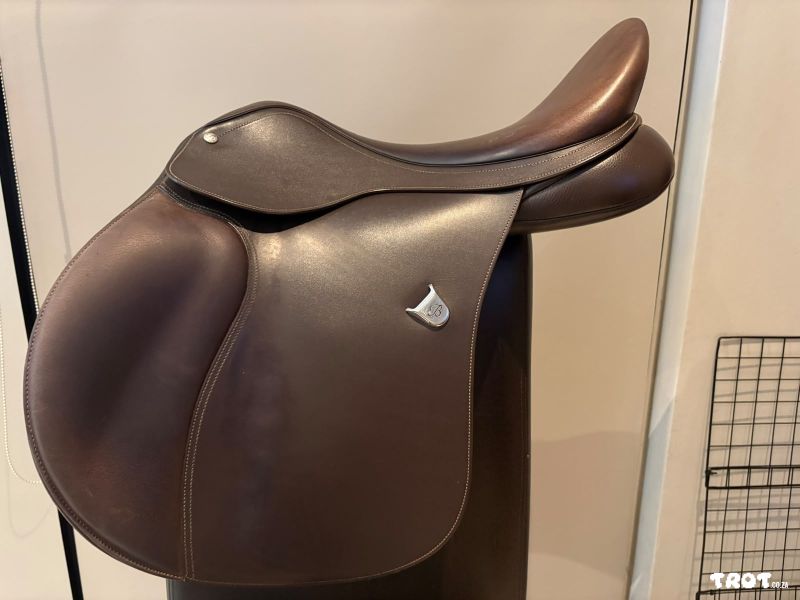
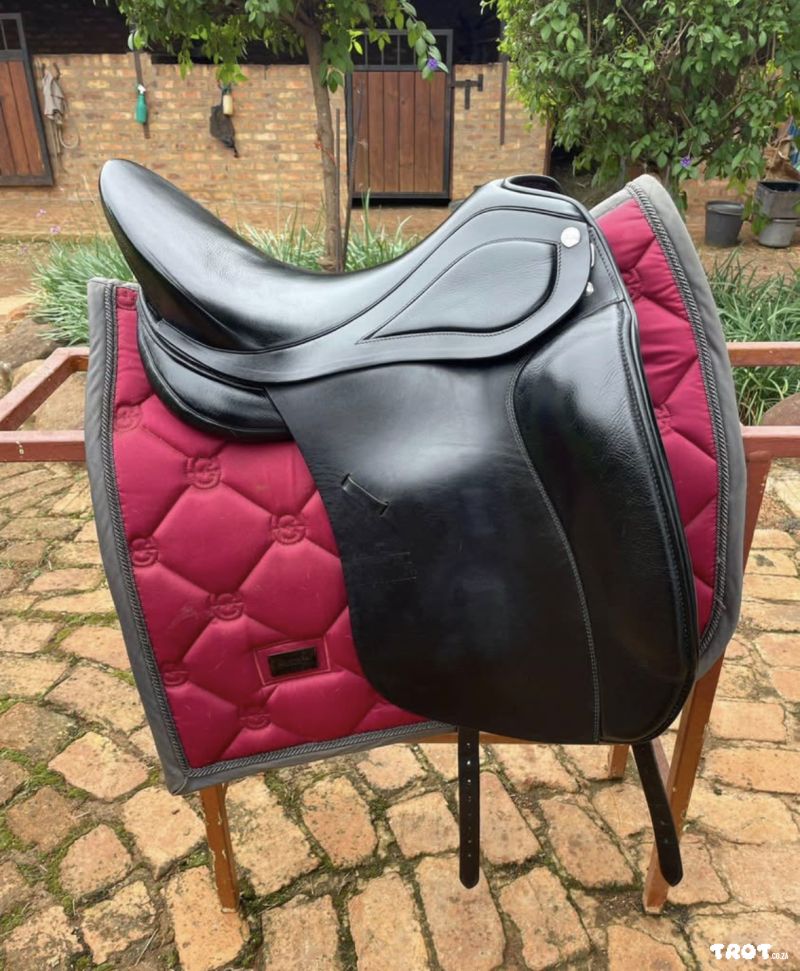
Dressage saddles often have a deeper seat and longer, straighter flaps to support a more upright riding position. Some riders prefer a slightly different size compared with their jumping saddle.
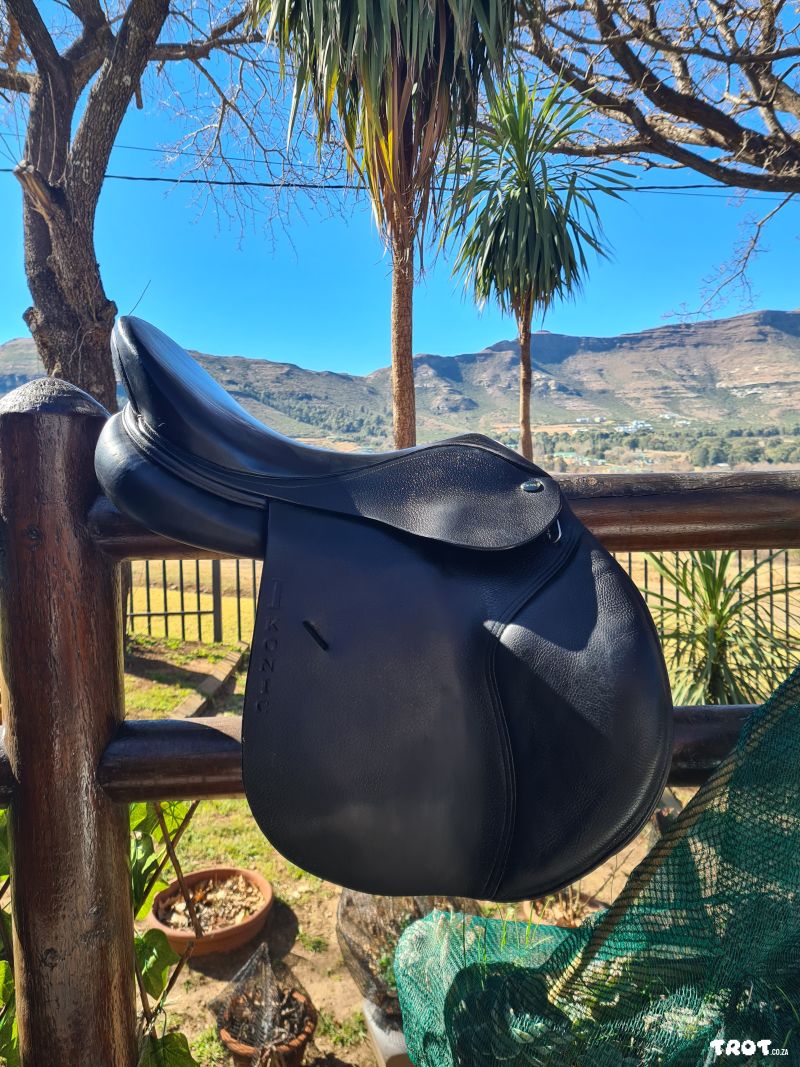
Jumping saddles generally have a flatter seat and shorter, more forward-cut flaps to accommodate a shorter stirrup length and a forward riding position.
General-purpose saddles are designed to accommodate a variety of activities, making them a common choice for recreational riders and those who participate in multiple disciplines.
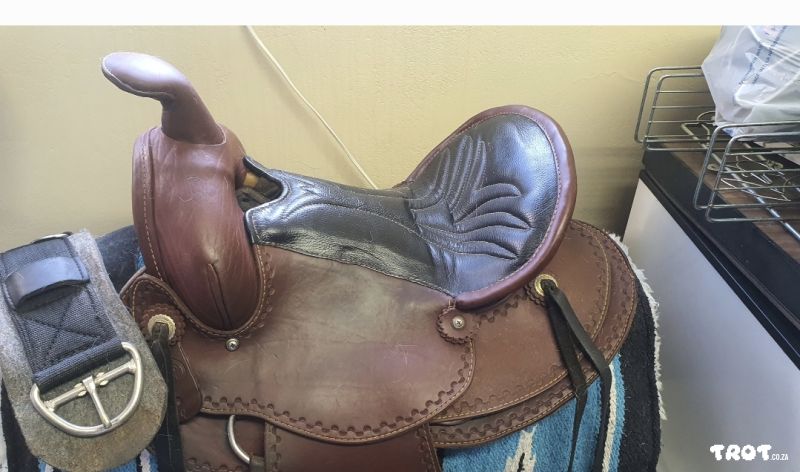
Western saddles use a different sizing convention and design. Their seat sizes are not directly interchangeable with English saddle sizes, so riders should try the saddle and follow the manufacturer's sizing guidance.
The shape of the seat and the length and angle of the flaps can be just as important as the measurement in inches.
Signs Your Saddle May Be the Wrong Size
An incorrectly sized or poorly fitting saddle can affect both horse and rider. Watch for these common warning signs:
- You feel cramped, unstable or unable to maintain a balanced position.
- Your knees extend beyond the front of the saddle or the flaps do not suit your leg position.
- Your horse shows discomfort when being saddled or mounted.
- You notice dry patches, uneven sweat patterns, rubbing or soreness after riding.
- The saddle slips, rocks or repeatedly shifts out of position.
- Your horse develops resistance, changes in behaviour or difficulty moving freely.
These signs do not automatically mean the seat size is wrong. Saddle balance, tree shape, flocking, girthing and other fit issues can produce similar problems.
Buying a Second-Hand Saddle
Buying a second-hand saddle can be a cost-effective way to find quality equipment, but it is important to check more than the advertised seat size.
Before purchasing, ask the seller for the brand, model, seat size, tree width and any available information about previous repairs or alterations. Request clear photographs of the saddle from the side, front, back and underneath.
Check the stitching, billets, girth straps, leather condition and panels. For saddles with a tree, any signs of damage or structural weakness should be assessed by a qualified professional.
Most importantly, make sure the saddle is suitable for both you and your horse before committing to the purchase. If possible, arrange a trial or a fitting assessment before finalising the sale.
Frequently Asked Questions
Is a 17-inch saddle suitable for most adults?
A 17-inch saddle is a common choice for adult riders, but it is not suitable for everyone. Your body shape, riding discipline and the saddle's design all influence the size you need.
Can I use the same saddle on different horses?
Sometimes, but only if the saddle fits each horse correctly. Differences in back shape, withers and shoulder width can make a saddle suitable for one horse but unsuitable for another.
Does a larger saddle mean it is wider for the horse?
No. Seat size relates to the rider, while tree width and overall saddle shape affect how the saddle fits the horse. A larger seat does not necessarily mean a wider tree.
How often should I check my saddle fit?
Check the fit regularly, especially if your horse gains or loses weight, develops muscle, changes workload or shows signs of discomfort. Young horses and horses undergoing significant fitness changes may need more frequent assessments.
Find the Right Saddle on Trot
Finding the right saddle means balancing rider comfort, horse fit and your intended discipline. Understanding the difference between seat size and tree width will help you compare options and avoid choosing a saddle based on its measurements alone.
Browse the saddles listed on Trot to compare sizes, brands and styles from sellers across South Africa. Always confirm the measurements and arrange a suitable fit assessment before buying.