Starting horse riding is exciting, but walking into an equestrian shop for the first time can be overwhelming. From riding helmets and boots to saddles, bridles and grooming kits, there is a lot of equipment to choose from.
The good news is that you do not need to buy everything straight away. If you are taking lessons at a riding school in South Africa, much of the horse's equipment will already be provided. Your first priority should be investing in a few essential items that keep you safe and comfortable.
This guide covers the horse riding equipment beginners need, what each item does and where you can save money when starting out.
1. Riding Helmet
A properly fitted riding helmet is the most important piece of equipment for any beginner. Horse riding carries a risk of falls, and a suitable helmet helps protect your head from serious injury.
When choosing a riding helmet, look for:
- Safety certification: Choose a helmet that meets a recognised equestrian safety standard, such as ASTM F1163 or EN 1384, as applicable. Check the current certification and requirements for your riding discipline.
- Correct fit: The helmet should sit level on your head, cover the forehead appropriately and remain secure without rocking or pinching.
- Proper fastening: The chin strap should fit securely and be adjusted according to the manufacturer's instructions.
- Comfort and ventilation: A comfortable, well-ventilated helmet is particularly useful in South Africa's warmer climate.
Never buy a helmet simply because it looks good or is on sale. A second-hand helmet may have sustained an impact that is not visible, so buying new is generally the safer option.
If you fall and your helmet strikes the ground, follow the manufacturer's replacement guidance. Many helmets must be replaced after an impact, even if no damage is visible.
Beginner tip: If you are taking regular lessons, buy your own helmet early rather than relying indefinitely on borrowed equipment.
2. Riding Boots
Ordinary trainers are not suitable for riding. Their soles and shape may allow the foot to slide too far through the stirrup, creating a risk of getting caught if you fall.
Riding boots are designed to provide a secure, practical connection between your foot and the stirrup.
There are two common options for beginners:
Paddock boots: Short boots that reach the ankle. They are generally affordable, comfortable and easy to wear away from the stable.
Tall riding boots: Boots that extend up the calf. These provide additional leg coverage and are commonly used in disciplines such as dressage and show jumping.
Look for a smooth or lightly textured sole, a small defined heel and a fit that allows your foot to move comfortably. Avoid bulky hiking boots, trainers and footwear with deep treads that could catch in a stirrup.
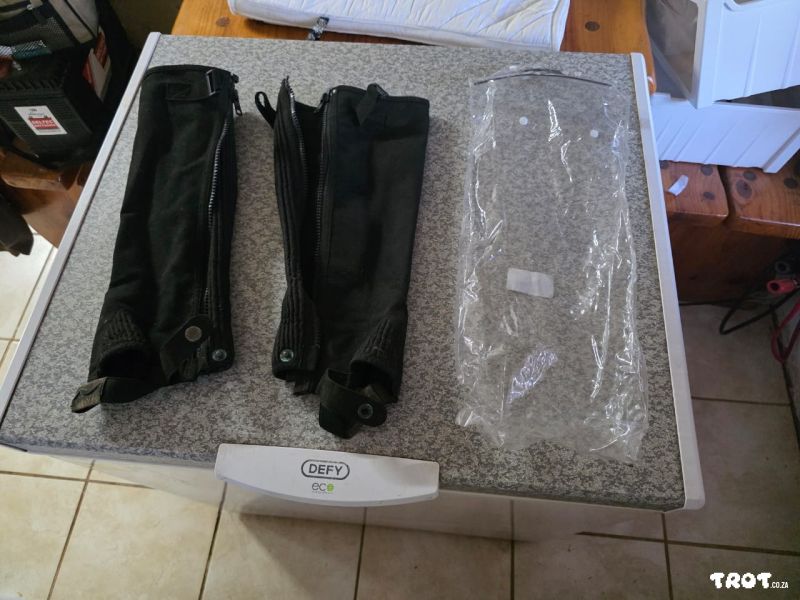
For beginners, a basic pair of paddock boots is usually sufficient. Half chaps can be added later if you want additional calf protection and grip.
3. Riding Breeches or Jodhpurs
You can start riding in comfortable trousers, but specialist riding clothing becomes useful once you ride regularly.
Riding breeches and jodhpurs are designed to reduce rubbing and allow freedom of movement while riding.
The main difference is that breeches generally finish above the ankle and are commonly worn with paddock boots, while traditional jodhpurs extend to the ankle and are often worn with short boots.
When choosing your first pair, look for:
- Stretchy fabric that allows you to move comfortably.
- Flat seams that minimise rubbing.
- A suitable fit around the waist and knees.
- Optional knee patches or full-seat grip for additional stability.
You do not need expensive competition breeches for your first lessons. A basic, comfortable pair is perfectly adequate.
In warm South African weather, breathable fabrics can make a noticeable difference during longer lessons.
4. Gloves
Riding gloves are not essential for every beginner, but they can improve comfort and grip, particularly if you are learning to hold the reins correctly.
They help protect your hands from blisters and friction, especially during longer sessions or when handling horses on the ground.
Choose gloves that fit snugly without restricting finger movement. They should allow you to maintain a secure feel of the reins rather than making them difficult to hold.
Lightweight, breathable gloves are a sensible option for riding in warmer weather. You can start with an affordable pair and upgrade if you find yourself riding frequently.
5. Body Protector and Air Jacket
Body protectors are designed to help reduce the risk of certain torso injuries during falls. They are particularly relevant for disciplines such as eventing, cross-country riding and some jumping activities.
An air jacket is a wearable safety garment that inflates when activated during a fall, helping to protect areas of the torso.
Neither replaces a riding helmet, and neither eliminates the risk of injury.
For beginners taking lessons in an arena, a body protector may not always be required, but it is worth discussing with your instructor. Certain activities, events and competition rules may require specific protective equipment.
If you purchase a body protector, ensure it is intended for equestrian use, meets the relevant standard and fits correctly. A poorly fitting protector may not offer the intended protection.
6. Grooming Kit
If you will be grooming and preparing horses yourself, a basic grooming kit is a worthwhile investment.
Grooming removes dirt, helps keep the coat in good condition and gives you an opportunity to notice cuts, swelling or other changes that may need attention.
A beginner's grooming kit should include:
- Rubber curry comb: Helps loosen dirt and shed hair on suitable areas of the body.
- Body brush: Removes loose dirt and dust from the coat.
- Dandy brush: A firmer brush for removing dried mud from appropriate areas, avoiding sensitive skin.
- Mane and tail brush or comb: Helps detangle the mane and tail gently.
- Hoof pick: Removes stones, mud and debris from the hooves.
- Sponge: Useful for cleaning around the face or other areas, using separate sponges where appropriate.
Use brushes gently and choose the right tool for each area. Avoid using a stiff brush on the face or other sensitive areas.
A grooming kit does not need to be expensive. Basic tools are generally enough to get started, and many riding schools provide shared grooming equipment.
7. Saddle and Bridle
The saddle and bridle are essential pieces of riding equipment, but beginners do not normally need to buy their own immediately.
The saddle supports the rider and helps distribute weight across the horse's back. The bridle allows the rider to communicate with the horse through the reins and, depending on its design, a bit or bitless arrangement.
There are several common saddle types:
- General-purpose saddle: Designed for a range of activities and often suitable for recreational riding.
- Dressage saddle: Designed to support a more upright position and longer leg.
- Jumping saddle: Designed to accommodate a shorter stirrup length and forward riding position.
- Western saddle: A different design traditionally associated with western riding disciplines.
The most important consideration when buying a saddle is fit. The seat size must suit the rider, while the saddle's tree, panels and overall shape must suit the horse.
An incorrectly fitting saddle can cause discomfort, restrict movement and contribute to pressure-related injuries. A qualified saddle fitter can help assess suitability.
For a closer look at seat size and horse fit, see our guide to Saddle Sizes Explained: How to Choose the Right Saddle for Your Horse.
The bridle must also fit correctly, and its design should be appropriate for the horse and the rider's experience.
Beginner tip: If you are taking lessons, use the riding school's saddle and bridle until you understand your riding needs. If you eventually buy your own, seek advice from an experienced instructor or qualified fitter.
8. Grooming and Stable Clothing
Riding is only part of horse ownership. You may also spend time leading horses, cleaning equipment, grooming and helping around the stable.
For this reason, practical clothing is worth having from the beginning.
Consider bringing:
- Comfortable, weather-appropriate clothing that allows movement.
- A lightweight jacket for cooler mornings or windy conditions.
- Closed, sturdy footwear suitable for stable activities.
- Sunscreen and a hat for use when you are not riding.
- A reusable water bottle.
South Africa's climate varies considerably by region and season. Lightweight, breathable clothing is useful in warmer areas, while layered clothing may be more appropriate during cold mornings or winter lessons.
Avoid loose clothing, dangling accessories and anything that could become caught in tack or stable equipment.
9. What Equipment Should You Buy First?
If you are just starting out, there is no need to spend thousands of rand on equipment before you know how often you will ride.
Here is a practical purchasing priority list.
| Equipment | Priority | Buying advice |
|---|---|---|
| Riding helmet | Essential | Prioritise fit and safety certification; buy new where possible |
| Riding boots | Essential | Choose suitable boots with a defined heel |
| Comfortable riding trousers | Recommended | Start with affordable breeches or suitable fitted trousers |
| Riding gloves | Optional | Useful for grip and preventing blisters |
| Body protector | Depends on activity | Check your instructor's advice and applicable rules |
| Grooming kit | Depends on access | Buy a basic set if you will groom horses regularly |
| Saddle and bridle | Usually later | Only buy once you understand the horse's needs and fit requirements |
| Competition clothing | Later | Purchase when you know which discipline you intend to pursue |
Prices vary by brand, quality, retailer and whether you buy new or second-hand. When budgeting, prioritise correctly fitted safety equipment over appearance or brand names.
10. Buying Second-Hand Horse Riding Equipment in South Africa
Second-hand equipment can be a good way to save money when starting out. Saddles, bridles, grooming tools and some riding clothing are often available through equestrian classifieds and local riding communities.
However, some items require extra care when buying used.
Generally suitable for second-hand purchases:
- Breeches and riding clothing in good condition.
- Leather bridles and other tack, provided they are structurally sound.
- Grooming brushes and tools that can be cleaned properly.
- Saddles, provided they are inspected and fit the horse and rider.
Items that require particular caution:
- Riding helmets with unknown history.
- Body protectors that are damaged, poorly fitting or past the manufacturer's recommended service life.
- Leather tack with cracked, weakened or damaged load-bearing parts.
Before purchasing a saddle or bridle, request clear photographs and ask about its age, condition and any repairs. For saddles, confirm the seat size and available information about tree width and fit.
When buying from a private seller, arrange a safe viewing and avoid making unusual advance payments without verifying the seller and the item.
Frequently Asked Questions
Can I start horse riding without buying equipment?
Yes. Many riding schools provide saddles, bridles and grooming equipment. Ask what is included before your first lesson. You may be able to borrow a helmet and boots initially, although owning correctly fitted safety equipment is a sensible long-term investment.
How much does beginner horse riding equipment cost in South Africa?
The total depends on whether you buy basic or premium equipment and whether you shop second-hand. Starting with a helmet, suitable boots and comfortable riding trousers keeps the initial cost manageable. You can add gloves, grooming tools and other items as needed.
Do I need special clothes for my first riding lesson?
Not necessarily. Wear comfortable, fitted trousers, a suitable top and appropriate footwear with a small heel. Avoid trainers, shorts and loose clothing. Confirm the riding school's requirements before arriving.
Should I buy my own saddle as a beginner?
Usually not. Riding schools generally provide saddles, and buying one before you understand saddle fit and your preferred discipline can be an expensive mistake.
Ready to Get Started?
The best approach is to begin with the essentials, learn from a qualified instructor and add equipment as your experience grows. Safety, comfort and correct fit matter far more than buying the most expensive gear.
Browse Trot's equestrian classifieds to find riding boots, helmets, breeches, grooming kits, saddles and other horse riding equipment from sellers across South Africa. Whether you are preparing for your first lesson or building your own collection of tack, buying thoughtfully will help you get more from your time in the saddle.